
WHAT DO YOU WEAR FOR WHITE WATER RAFTING? THE ONLY THREE THINGS YOU NEED
When it comes to what to wear for white-water rafting with a guided outfitter, the answer is three things: your base layer, footwear, and sun protection.
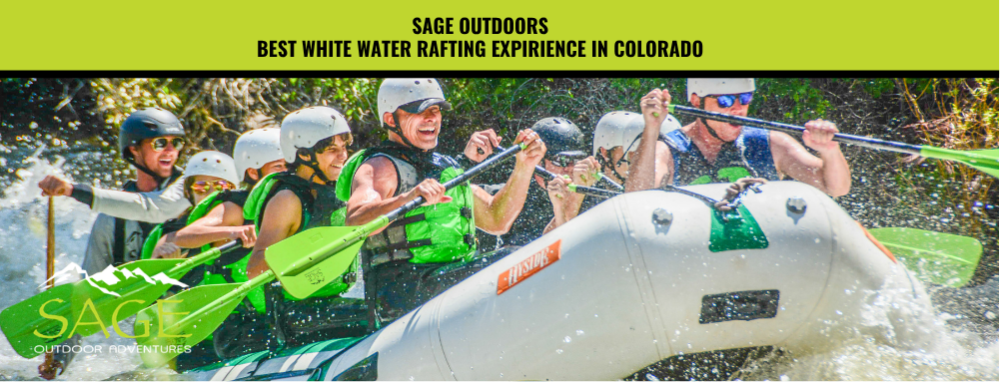
Most guided tours provide the gear that actually keeps you safe and warm, such as a wetsuit, splash jacket, helmet, and personal flotation device, all of which are standard on a professionally run trip.
For anyone booking white water rafting in Vail, Colorado, those three decisions are the only prep work left to you. This guide covers all three, plus what to leave at home and what to have waiting in your car.
The Three Things You Need to Bring
Your Base Layer
Start with a swimsuit or quick-dry synthetic shorts and a top. This is what sits against your skin under the wetsuit on cold days, or what you wear on its own when the water is warmer. The rule is simple: no cotton, anywhere. Cotton absorbs water and holds it, which pulls heat away from your body even on a warm day. Polyester, nylon, and wool all dry quickly and maintain warmth when wet; any of these works.
Footwear
This is the one piece of gear that most people do not provide, and it matters more than most people expect. Your shoes need to stay on your feet in moving water and give you traction on wet rock when getting in and out of the raft. The right options: water sandals with a heel strap (Chacos, Tevas), water shoes, or old sneakers you don’t mind soaking. The wrong options: flip-flops, Crocs, slip-on sandals, or bare feet. Anything without a secure back strap is a liability the moment you hit moving water.
Skin Protection
A lightweight synthetic long-sleeve or rash guard as a top layer adds sun protection without adding bulk. Sun exposure at elevation is stronger than most people expect. The Skin Cancer Foundation recommends UPF-rated fabrics for extended outdoor water exposure, and the reflection off moving water significantly amplifies UV exposure. Apply a water-resistant, high-SPF sunblock before you board; this is the one step most first-timers skip and regret.
What Sage Provides: The Gear You Don’t Need to Think About
Every Sage trip includes a properly fitted PFD (Personal Flotation Device), helmet, wetsuit, splash jacket, and, where conditions require it, a wetsuit. These are not rentals or add-ons; they are standard on every booking. The U.S. Coast Guard requires all commercial rafting guests to wear an approved personal flotation device at all times on the water, and Sage fits each guest individually before departure.
What to Leave at Home
- Jewelry: Rings, bracelets, and necklaces can catch on safety gear or slip off unnoticed in the water. Leave them in the car.
- Cotton anything: Underwear included. One wet cotton layer is enough to make the trip uncomfortable, regardless of air temperature.
- Valuables: Phones, cameras, and wallets have no place on the raft unless they are in a sealed waterproof case. Sage staff can secure car keys at check-in.
- A towel on the raft: It will be soaked within the first ten minutes and stay that way. Leave it in the car where it is actually useful.
What to Have Waiting in Your Car
This is the part most people forget to plan for. Pack a complete change of clothes, including dry socks and shoes, and leave it in the car before you head to the put-in. Bring a towel and leave that in the car too: getting dry and warm quickly after the trip matters more than anything you wore on the water.
Tuck a bottle of sunblock in your bag as well. Reapplying after the trip protects the skin that was most exposed to direct sunlight during the final hour on the river, when most people stop thinking about it.
Dressing for Vail’s Season: A Quick Reference
Colorado River temperatures near Vail shift significantly across the season, and what you wear shifts with them. The National Weather Service tracks Upper Colorado basin conditions throughout the summer.
| Season | Water Temp | What You Wear |
| May – early June | 45-55°F | Swimsuit base layer + Sage wetsuit + splash jacket |
| Mid June – July | 55-65°F | Swimsuit or synthetic shorts + top, wetsuit optional |
| August – September | 65°F+ | Swimsuit or quick-dry shorts + synthetic top |
Sage guides make the final call on wetsuit recommendations based on actual conditions the day of your trip, not the forecast from three days out.
Heading to the River Soon? Here’s What to Do Next
If you have already booked your white water rafting in Vail, Colorado, trip with Sage, you are more prepared than most people who show up on the day. Grab your water shoes, set aside a synthetic base layer, pack a change of clothes in the car, and leave everything else at home.
\If you are still deciding which trip fits your group, the white water rafting for beginners guide walks through how Sage matches first-timer groups to the right experience on the Upper Colorado.
FAQ: What Do You Wear for White Water Rafting?
Can you wear a swimsuit for white water rafting?
Yes, a swimsuit is the standard base layer for summer guided rafting trips. On warmer days on the Upper Colorado near Vail, a swimsuit paired with quick-dry shorts and a synthetic top is all you need underneath your PFD (Personal Flotation Devices).
What shoes should you wear for white water rafting?
Water sandals with a heel strap, water shoes, or old sneakers are the standard options. The requirement is simple: shoes that stay secured to your feet in moving water and provide traction on wet surfaces.
Can you wear jewelry while white water rafting?
Leave it at home. Rings, necklaces, and bracelets can catch on PFD straps or paddle handles, and they are effectively impossible to recover if lost in the river. This applies to watches too. Small stud earrings are low risk but anything dangling or looped is a snag hazard. The car is the right place for anything you wouldn’t want to lose permanently.
What should I wear for white water rafting in Colorado in the spring?
Spring rafting on the Upper Colorado near Vail means cold water, typically 45 to 55 degrees Fahrenheit through May and early June. Wear a fitted swimsuit or synthetic base layer that sits comfortably under a wetsuit. Sage provides the wetsuit and splash jacket.

Kelley Atwell
Group Sales & Concierge Relations
Working in the outdoor tourism industry is amazing! Every day presents the opportunity to introduce visitors to the beauty of Colorado’s rivers & mountains and help create lasting memories.
This winter I’ll be diving into Sage Outdoor Adventures to spearhead Group Sales, Concierge Relations, and Strategic Partnership Development.
As manager of Liquid Descent Rafting, my role requires balancing fast-paced internal operations while keeping the energy high and exciting for all our customers! As a small business that only operates for a few months a year, high-volume sales and efficiency are key to success. Juggling retail, transportation, reservations, compliance, marketing, customer experience and 30 employees offers a dynamic and ever-changing opportunity to utilize problem solving skills.
I love being a part of small business and having the autonomy and self-initiative to dive into whatever project presents itself.
Regardless of the role I pursue, I bring empathy, hard-work, the willingness to learn, and a sense of internal competitiveness that enable me to be a valuable contribution to teams of all objectives.
