GLENWOOD CANYON RAFTING TRIP PLANNING: A GUIDE’S SIMPLE CHECKLIST
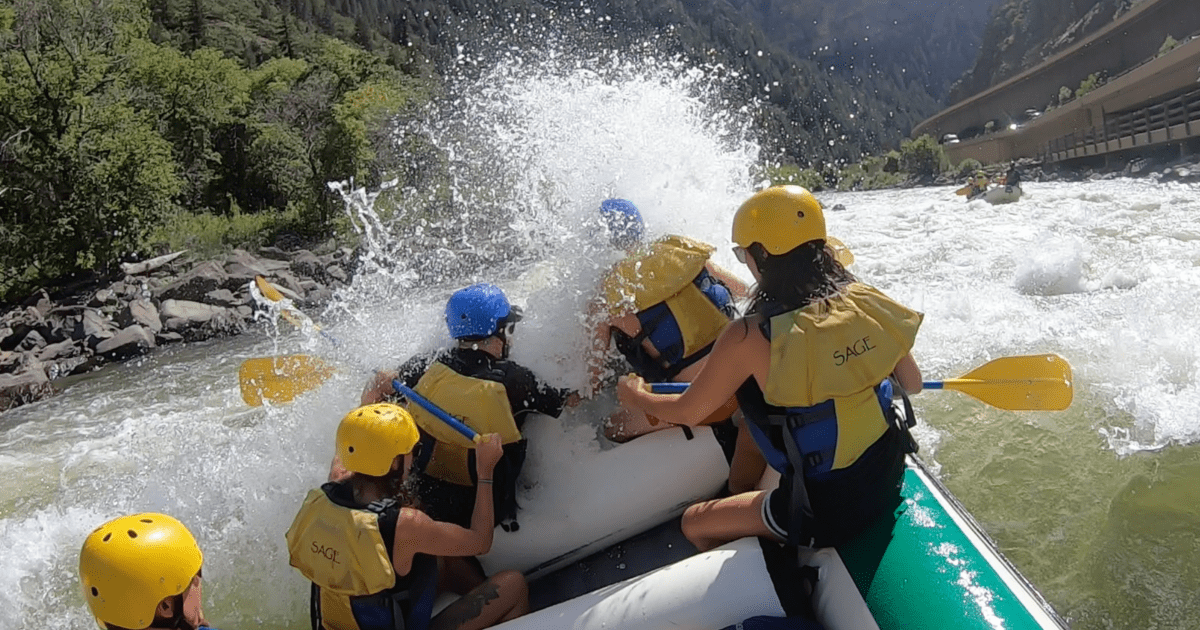
If you picture rafting as nonstop intensity, Glenwood Canyon rafting often surprises people in the best way. Anders, a guide at Sage Outdoor Adventures, calls this stretch “Class 3… kind of right in the middle as far as rafting goes,” and he describes it as “front-loaded,” with “about seven rapids” near the start.
After that burst, the trip settles into a scenic float toward Glenwood Springs with time to warm up, look for wildlife, and jump in for a swim when conditions allow. This checklist covers comfort, day-of mistakes, and seasonal timing. It keeps planning simple and keeps the fun high.
Comfort Tips That Make The Day Better
Anders says the Colorado River through Glenwood Canyon “is fairly warm out there,” and he ties that comfort to dam regulation, “the sun has time to warm that water up.”
Comfort tips Anders leans on include
- Dress for sun and splash, bathing suit plus quick-drying layers
- Use “good sunblock,” then reapply before you feel burned
- Add a water shirt or sun shirt for coverage; he mentions “a water shirt.”
- Expect chilly moments in the first rapids, “everyone’s getting splashed.”
- Expect a fast warm-up after, “you dry off pretty darn quickly.”
He also lets us know about wetsuits. Sage provides wetsuits and splash tops “if needed, if it’s going to be raining that day,” yet most summer days run fine in “t-shirt, bathing suit.” Pack for flexibility, not perfection.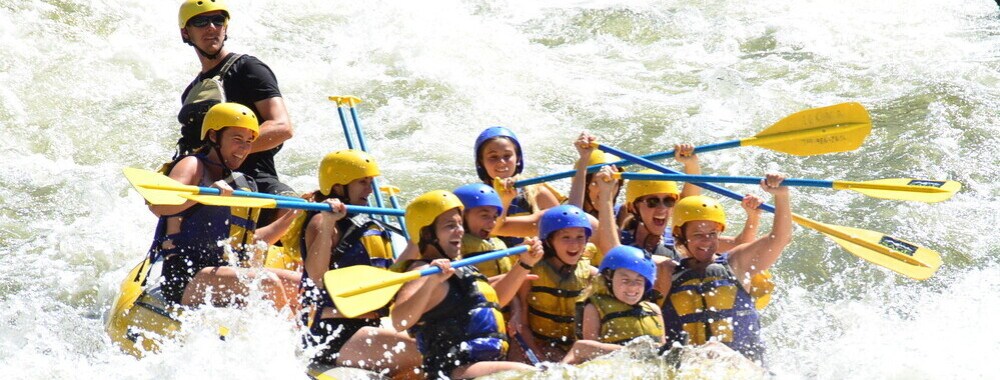
Water Temperature, Snacks And Timing
Anders explains why this stretch can feel warmer than snowmelt-only rivers: “it is dam regulated,” and “the sun has time to warm that water up.” He also explains why snacks stay off the boat. “We generally don’t bring like plastic bottles of water or snacks on the boat,” he says, because the team does not want to “contribute to any littering in the river.”
The workaround stays simple; the shuttle vehicle “kind of serves as a locker,” so your food, water, and dry clothes wait for you at the end. Anders also gives a plain timing frame. The water time runs “roughly two hours,” then the drives and check-in steps fill out the rest of the block. After the rapids, many groups feel good enough to take a quick dip, and he says “most of the guests take advantage of it” when the sun feels warm.
To keep the day comfortable, plan around these realities
- Pack water and a snack for after the takeout, and leave them on the shuttle vehicle
- Bring a towel and a dry layer for the drive back
- Show up on time, the operation runs on “two windows throughout the day.”
- Expect “a four-hour window from check-in to check-out,” including drive time
Common Day Of Mistakes And How To Avoid Them
Anders sees the same mistakes repeat, and they all steal time from the best parts of the day. He starts with paperwork, “waivers not being filled out,” and he notes that finishing them ahead of time keeps the schedule clean. Next comes directions, guests sometimes “show up in the wrong location” when they rely on their own search results. Sage tries to prevent these issues with “courtesy… confirmation calls,” plus texts with the correct directions. If a guest misses the call, staff still sends “voicemails and text message” with the same details.
Mistakes Anders flags most often include
- Missing waivers at arrival, which slows check-in
- Using the wrong directions, then arriving late
- Skipping the towel and dry clothes, then feeling cold after
- Forgetting sun protection, then feeling drained
Simple fixes that keep things smooth include
- Complete waivers the night before and confirm submission
- Follow the driving directions in the confirmation and text
- Arrive a bit early for restrooms and gear fitting
- Keep dry clothes ready; he prefers “looking at it than looking for it.”
- Leave a snack and water in the shuttle vehicle for the ride back
How The Experience Changes Through The Season
Glenwood Canyon rafting stays more consistent than many rivers, but early-season runoff can still raise flows. Anders says “the water level doesn’t fluctuate a whole lot per se,” yet heavy snowpack can lead dams near the headwaters to “release a ton of water to go downstream,” including water rights releases “all the way to California.”
Two planning impacts show up. “Our ages do fluctuate,” and “that age does bump up” when water runs higher. Very high flows can also lead to a rare shutdown: “it can potentially get to a level that it’s unrunnable,” though he says that is “not that common.”
Anders also notes why this stretch stays runnable later, the dam at Shoshone stays regulated, and “there is always a minimum CFS that has to go through there,” which helps keep the trip window stable.
Date selection notes from Anders’ explanation include
- Early season can bring higher water, and age minimums can change
- Mid-summer often delivers steadier flows, July through September
- Shoshone runs with a minimum flow requirement, so “there’s always plenty of water.”
- Air temperatures climb in summer, with days that can reach “up to 90 or 100.”
Wildlife Watching Tips That Fit A River Day
Anders describes guests spotting river otters, trout jumping, birds of prey, rams, and sometimes even bear, elk, or moose. Wildlife is never guaranteed, but smart habits can improve your odds while keeping animals comfortable.
Wildlife watching tips that fit this float include
- Scan in short bursts, then rest your eyes. Repeated scanning works better than staring
- Watch birds first; raptors often signal animal activity below
- Look for contrast and movement, ripples, splashes, or shifting shadows on shore
- Keep voices lower in calm stretches; sound carries over water
- Stay patient through quiet sections, animals appear in moments, not on demand
A Guide Style Checklist You Can Save
To ensure a comfortable and problem-free Colorado River rafting trip through Glenwood Canyon, remember to bring sunscreen, a sun or water shirt, quick-dry layers, a light layer for the shuttle, and secure footwear, along with a towel, dry clothes, water, and a snack for after the takeout.
To avoid day-of issues, complete waivers beforehand, use the provided directions, arrive early to budget for restroom time, and pay close attention during the safety talk and paddle instruction. Finally, when picking dates, anticipate higher water levels and possible age-minimum changes in the early season, with steadier flows expected from mid-summer into early fall.

Anders Dahlberg
Director of Operations
