
FIRST-TIME DUCKY RAFTING TIPS: HOW GUIDES HELP YOU FEEL CONFIDENT FAST
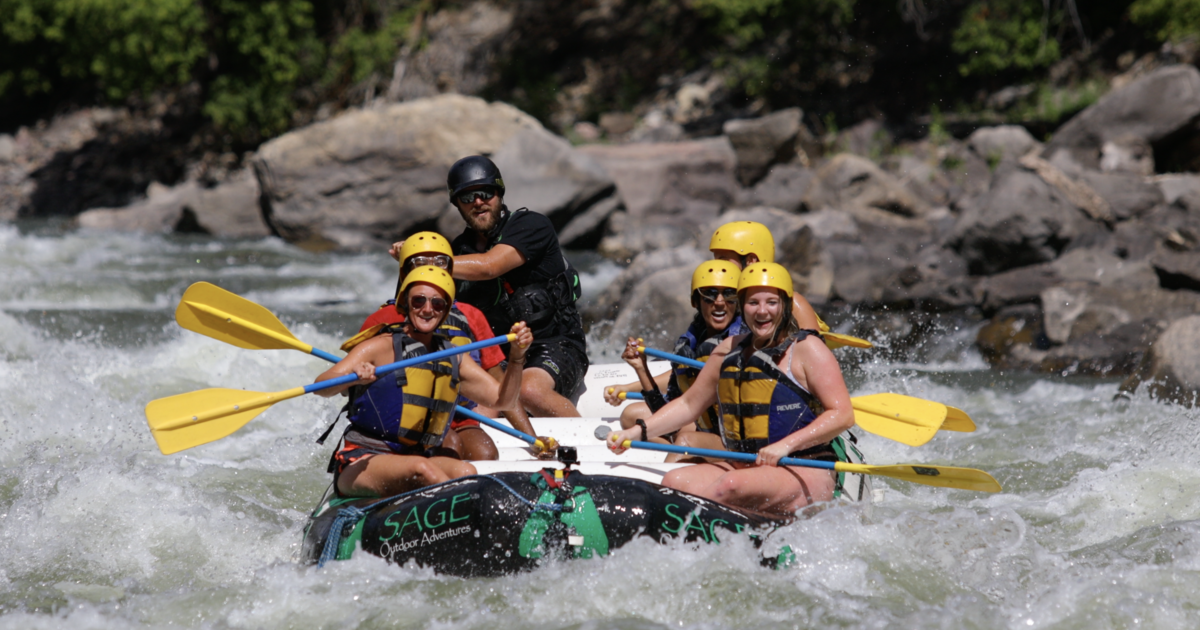
Trying a ducky for the first time usually comes with the same mix of excitement and nerves. You want the fun part, the splash, the movement, and the closer feel to the water, but you also want to know what makes the trip feel manageable when you are new.
Sage Outdoor Adventures guide Anders helps make that learning curve feel much smaller. His advice stays practical. You do not need to look polished right away. You need a few basics, a willingness to adapt, and guides who know how to coach without taking over. That is what makes first time ducky rafting tips useful for real guests instead of just sounding good on paper.
 Start With The Right Mindset
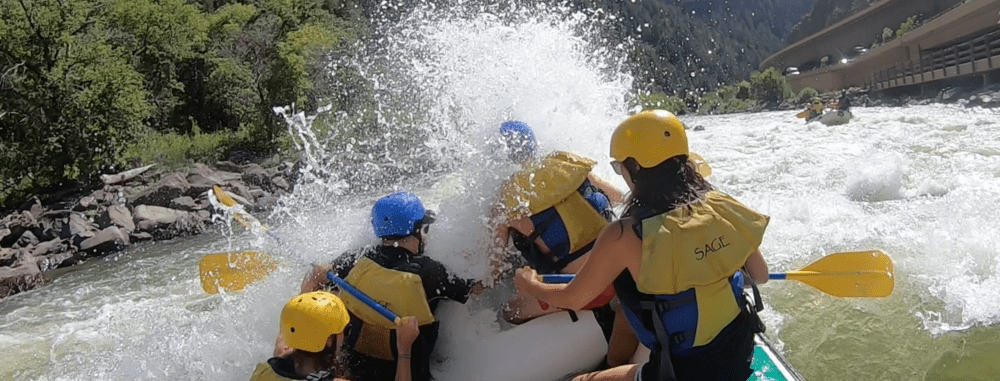
The best first time ducky rafting tips start before the boat ever touches the water. Anders says the biggest thing that helps someone have a great ducky experience is being okay with messing up a little and adapting.
That mindset fits Sage’s broader approach to rafting near Vail, where the company emphasizes guided trips, a clear pre-trip briefing, and a process designed to help guests feel prepared before launch.
That mindset usually looks like this.
- Stay open to learning as you go
- Expect a few awkward paddle strokes at first
- Let small mistakes be part of the fun
- Focus on progress, not perfection
For many first-timers, that shift is what builds confidence fastest. The trip feels better when guests stop treating every correction like a mistake and start treating it like part of the experience.
Know What Beginner-Friendly Really Means
A lot of people hear “inflatable kayak” and assume the trip must be technical. Anders says that is one of the biggest misconceptions guests bring with them. He explains that people often think they need prior experience or need to be a skilled whitewater kayaker, but he calls duckies beginner-friendly.
Sage’s whitewater classifications guide supports that by connecting the Upper Colorado Guided Ducky tour to learning how to paddle in whitewater at an approachable level.
That helps clear up what beginner-friendly actually means.
- You still get instruction before launch
- You still have a guide on the river
- You are learning in an organized setting
- You are not expected to arrive with advanced skills
Let Guides Set The Tone Early
One reason a first ducky trip feels more manageable is that guides organize the day from the start. Anders says Sage guides begin with a trip leader talk where they teach guests how to maneuver the boat, how to eddy out, and how close to stay to the guide during the trip.
That matches what Sage highlights across its Vail whitewater trips lineup, where the goal is to help guests sort trips by rapid level and group fit instead of forcing them to guess.
That structure helps in ways guests notice right away.
- You know what the water will feel like
- You know what the guide expects from the group
- You know where to look for help if you need it
- You know the day has a plan before you launch
Keep Your Body Position Simple
When Anders talks about paddling basics, he keeps them simple enough for a first-timer to remember. He says it helps to lean slightly forward and reach out with your arms to drag the paddle blade through the water for stronger turns.
He also points out that the ducky can feel bouncy, so staying balanced matters. Sage describes the ducky as a more hands-on Colorado River experience, which fits well with that kind of practical coaching.
Start with these basics.
- Lean slightly forward instead of sitting stiff
- Keep your balance centered as the boat moves
- Reach with the paddle instead of making short weak strokes
- Stay loose enough to correct instead of freezing up
Learn The Basic Paddle Logic
Anders also gives first-timers a simple way to understand steering. When you paddle on the right side of the ducky, the boat turns left. When you paddle on the left side, the boat turns right. He adds that the ducky is generally going to go wherever the nose is pointed.
That kind of plain-language explanation fits well with the teaching style at Sage, which also breaks river skills down into everyday language instead of technical jargon.
That basic paddling logic helps with a lot.
- Making small course corrections
- Turning before you drift too far
- Understanding why the boat reacts the way it does
- Building confidence with each adjustment
 Stay Calm By Keeping The Trip In Perspective
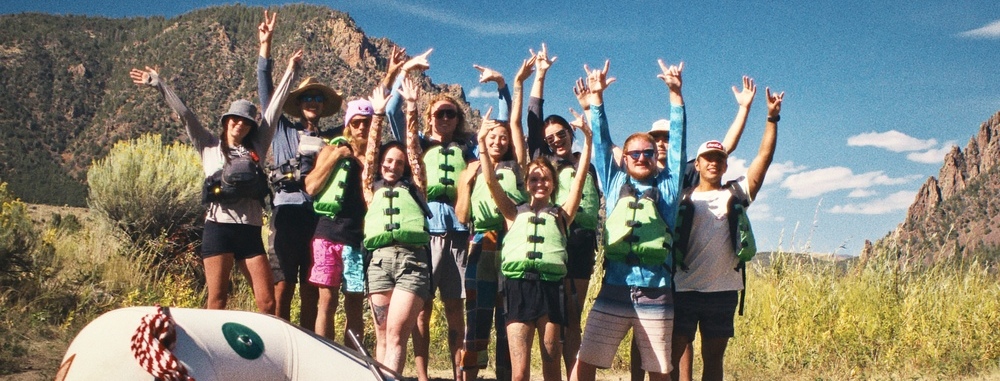
One of Anders’ most helpful points is that this trip gives people room to learn. He says the beauty of the ducky trip is that it is a calm body of water and that even a worst-case moment like falling out does not need to spiral into panic.
Colorado Parks and Wildlife’s boating safety guidance reinforces the importance of life jackets and preparation, which supports the same idea that guided structure and proper gear help keep beginners grounded.
That is why staying calm gets easier when you remember this.
- You are on a guided trip
- You are wearing safety gear
- You are not expected to be flawless
- A small mistake is not the end of the day
Avoid The Most Common Beginner Mistakes
Anders says the most common beginner mistake is paddling into obstacles or hitting waves sideways. He says guides coach guests to hit waves head-on so they slice through them more cleanly. He also explains that when beginners hit an obstacle, they often lean away from it because they get nervous, but that actually makes tipping more likely.
Guides coach them to lean into the obstacle instead. The National Park Service’s river safety guidance supports the bigger idea that preparation and understanding conditions make river travel more manageable for novices.
The most useful reminders are these.
- Point the nose of the ducky downstream
- Try to hit waves head-on
- Avoid turning sideways into features
- Lean into an obstacle instead of away from it
Why Guide Support Builds Confidence Fast
A first ducky trip works best when guests feel independent without feeling alone. That balance shows up throughout Anders’ answers. Guides teach the basics, set expectations, explain the water, and step in with coaching when needed.
Sage’s always uses the same kind of clear, practical tone because it helps guests picture the day before they get there.
In practice, that support looks like this.
- Guides explain what to expect before launch
- Guides keep the group organized on the river
- Guides coach through mistakes in real time
- Guides help guests feel capable, not dependent
What First-Timers Usually Need Most
Most first-timers do not need more hype. They need a clearer picture of what helps them succeed. Anders gives that picture in a way that feels honest. Be curious. Be willing to get a little wet. Be ready to paddle. Be okay with learning on the move.
The best takeaway is simple.
- Start with a flexible mindset
- Trust the basic instruction
- Make small corrections instead of overthinking
- Let confidence build one stroke at a time
If you want a river day that feels hands-on without feeling overwhelming, those first time ducky rafting tips point to the same answer. Confidence usually does not show up before the trip starts. It builds once you are in the ducky, making one good stroke at a time.

Kelley Atwell
Group Sales & Concierge Relations
Working in the outdoor tourism industry is amazing! Every day presents the opportunity to introduce visitors to the beauty of Colorado’s rivers & mountains and help create lasting memories.
This winter I’ll be diving into Sage Outdoor Adventures to spearhead Group Sales, Concierge Relations, and Strategic Partnership Development.
As manager of Liquid Descent Rafting, my role requires balancing fast-paced internal operations while keeping the energy high and exciting for all our customers! As a small business that only operates for a few months a year, high-volume sales and efficiency are key to success. Juggling retail, transportation, reservations, compliance, marketing, customer experience and 30 employees offers a dynamic and ever-changing opportunity to utilize problem solving skills.
I love being a part of small business and having the autonomy and self-initiative to dive into whatever project presents itself.
Regardless of the role I pursue, I bring empathy, hard-work, the willingness to learn, and a sense of internal competitiveness that enable me to be a valuable contribution to teams of all objectives.
