
CAN YOU GO WHITE WATER RAFTING IF YOU CAN’T SWIM?
Yes, non-swimmers can safely go white-water rafting in the right class of water with a professional guide, proper equipment, and clear safety instructions.
If you are asking, “Can I go rafting if I can’t swim?” the answer depends less on swimming ability than on choosing the right level of rapids for your group.
For travelers comparing white-water rafting options in Vail, Colorado, Sage Outdoor Adventures offers guided rafting experiences near Vail with professional guides, strong safety practices, and trip options for different comfort levels.
Why Rapids Class Matters More Than Swimming Ability
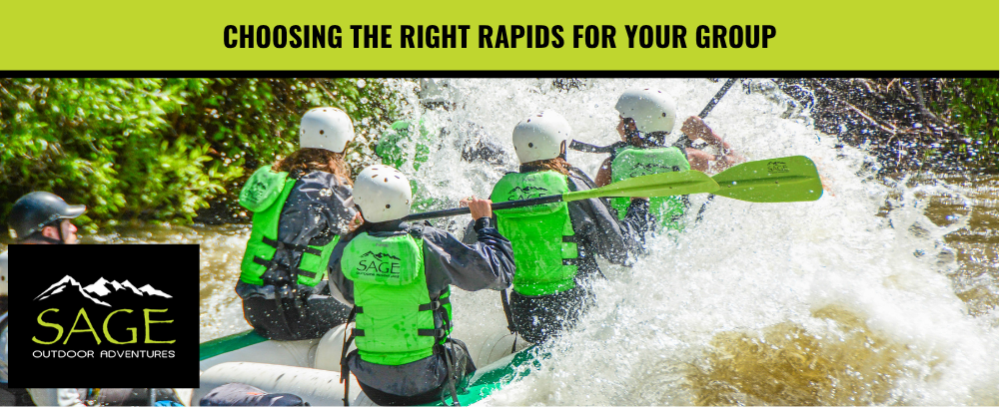
The most important factor for a non-swimmer is not bravery, athleticism, or previous experience, but the class of water.
Whitewater rapids are commonly rated using the International Scale of River Difficulty from American Whitewater, which describes river difficulty from easier moving water to expert-level rapids. For non-swimmers, the key is choosing a guided trip that fits your comfort level and avoiding advanced whitewater that may require stronger self-rescue ability.
That is why the question is not only, “Can I go rafting if I can’t swim?” The better question is: which rafting trip is appropriate for someone who cannot swim?
Sage’s rafting information explains that float trips and Class III adventure series trips are generally better starting points for beginner whitewater rafting in Colorado.
Choosing The Right White Water Rafting Trip in Vail, Colorado
Sage Outdoor Adventures is based in the Vail area and offers Colorado rafting experiences for guests of all types, from first-timers to more adventurous groups. The company emphasizes expert guides, guest safety, top-notch equipment, and rafting options near Vail and Buena Vista.
For non-swimmers, the best next step is to talk with Sage before booking. A guide or reservation team member can help match your group to the right rafting experience based on:
- Swimming ability
- Age and comfort level
- Desired intensity
- Prior rafting experience
- Water conditions and seasonal availability
What Non-Swimmers Should Know Before Rafting
A guided rafting trip is not the same as being dropped into open water and asked to swim. You are in a raft with a trained guide, safety gear, instructions, and a group plan.
A non-swimmer should tell the outfitter before the trip and tell the guide at check-in. That does not automatically disqualify you from rafting. It helps the team understand your comfort level and make better recommendations.
Safety Equipment
Every guest on a Sage rafting trip is fitted with a Coast Guard-approved Type V personal flotation device (PFD) before boarding. The U.S. Coast Guard encourages life jacket use for recreational boating safety, and guided rafting outfitters use safety equipment as part of standard river preparation. For a non-swimmer, properly fitted flotation gear is one of the most important parts of the experience. Sage will provide:
- Life jacket
- Helmet
- Wetsuit based on water temperature and the time of the season
The “Defensive Swimming” Position
No swimming skill required, but knowing this matters: if you end up in the water, float on your back with feet pointed downstream and toes up.
This is the defensive swimming position we taught in every safety briefing. It protects your head from rocks and lets the current carry you toward your guide. It requires no swimming technique.
What to Expect at the Sage Safety Briefing
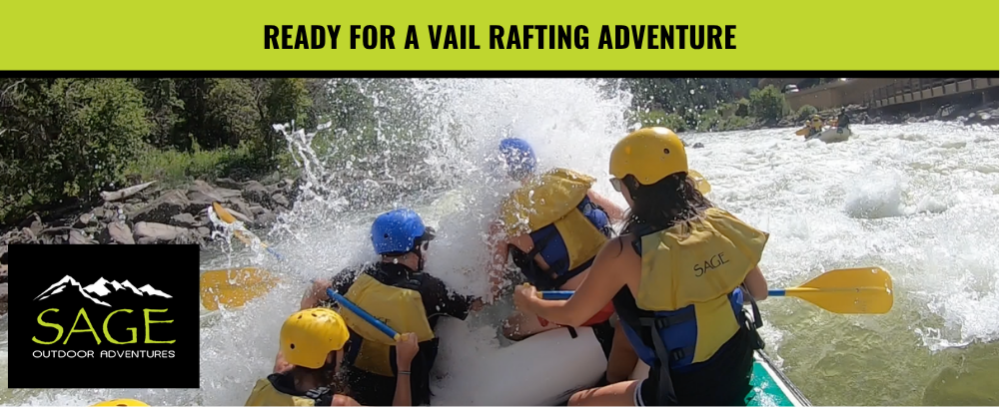
Every trip starts on the bank before anyone touches the water. The safety briefing covers paddle commands, what to do if you exit the raft, the defensive swimming position, and how to catch a throw rope. For non-swimmers, this is the most important 10 minutes of the trip.
Sage’s guides are trained in Swift-water Rescue protocols, the industry standard for river rescue response. Tell your guide at check-in that you or someone in your group can’t swim. That information lets the guide adjust seating and stay closer to your side of the raft through technical sections.
This is not unusual information for a guide to receive; a significant portion of guests on beginner and intermediate trips are non-swimmers or uncomfortable in open water.
Rapid Class Comparison: Which Trips Work for Non-Swimmers
Not every rafting trip is a good fit for a non-swimmer. This table gives a simple way to think about difficulty levels before choosing a trip.
| Rapid Class | General Description | Non-Swimmer Fit | What To Do Before Booking |
| Class I | Easy moving water with minimal obstacles | Usually appropriate | Confirm availability and minimum requirements |
| Class II | Small waves and straightforward channels | Often appropriate with a guide | Tell the outfitter you cannot swim |
| Class III | Moderate rapids with more guide instruction | May be appropriate depending on guest comfort | Ask Sage which trip level fits your group |
| Class IV | More powerful whitewater and technical moves | Not usually recommended for non-swimmers | Choose only if the outfitter confirms it is appropriate |
| Class V | Expert-level whitewater with serious hazards | Not appropriate for non-swimmers | Select a lower-difficulty trip instead |
Can I Go Rafting If I Can’t Swim With Sage?
Yes, and it’s worth asking Sage directly before booking. The answer depends on the specific trip, river conditions, guests’ ages and comfort levels, and the class of rapids.
Sage Outdoors Adventures explains that beginner-friendly rafting options are available, while higher-adrenaline trips are better suited to guests with swimming ability or prior experience.
FAQ
Can I go rafting if I can’t swim?
Yes. On Class II and III guided trips, swimming ability is not required. A life jacket keeps you afloat without any swimming effort. Professional guides are trained in swiftwater rescue and respond immediately if a guest exits the raft.
What happens if I fall off the raft?
Your life jacket keeps you afloat. Float on your back with your feet downstream, and look for your guide, who will move toward you immediately.
Is white water rafting safe for non-swimmers near Vail?
White-water rafting in Vail, Colorado, on the Eagle River features Class II and III rapids, which are appropriate for non-swimmers with a guide. The Eagle River through the Vail corridor is well within the safe zone for guests without swimming experience.
What should a non-swimmer wear on a rafting trip?
Secure footwear (no flip-flops), quick-dry clothing or a swimsuit, and a life jacket.

Kelley Atwell
Group Sales & Concierge Relations
Working in the outdoor tourism industry is amazing! Every day presents the opportunity to introduce visitors to the beauty of Colorado’s rivers & mountains and help create lasting memories.
This winter, I’ll be diving into Sage Outdoor Adventures to spearhead Group Sales, Concierge Relations, and Strategic Partnership Development.
As manager of Liquid Descent Rafting, my role requires balancing fast-paced internal operations while keeping the energy high and exciting for all our customers! As a small business that only operates for a few months a year, high-volume sales and efficiency are key to success. Juggling retail, transportation, reservations, compliance, marketing, customer experience, and 30 employees presents a dynamic, ever-changing opportunity to apply problem-solving skills.
I love being a part of a small business and having the autonomy and self-initiative to dive into whatever project presents itself.
Regardless of the role I pursue, I bring empathy, hard work, a willingness to learn, and a sense of internal competitiveness that enable me to make a valuable contribution to teams across all objectives.
