
WHAT TO WEAR FOR SNOW TUBING: A WARM, DRY, NO FUSS GUIDE
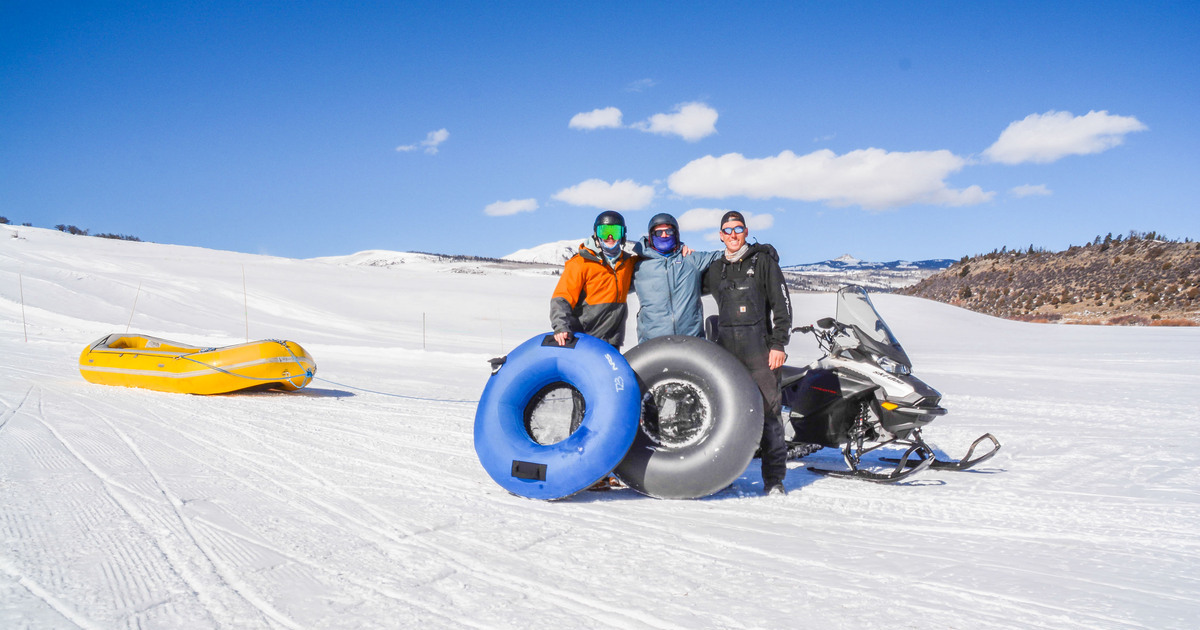
Knowing what to wear for snow tubing is the difference between an epic day outside at Sage Outdoor Adventures and a short lap that ends with wet jeans and frozen toes. The goal is simple: stay warm, stay dry, and keep your outfit flexible enough to move, sit, and hop in and out of the tube without feeling bulky.
If you follow one rule, make it this: dress in layers, then focus on hands, feet, and face. Public health and weather agencies consistently point to layering and covering exposed skin as the basics for cold safety.
Start With Smart Layering
Layering works because it lets you manage warmth without trapping sweat. For snow tubing, think in three parts:
- A base layer that pulls moisture off your skin
- A mid layer that holds heat close to your body
- An outer layer that blocks wind and snow
That “base, mid, shell” system is the foundation for winter comfort and it’s especially helpful when you warm up from walking and then cool down while riding.
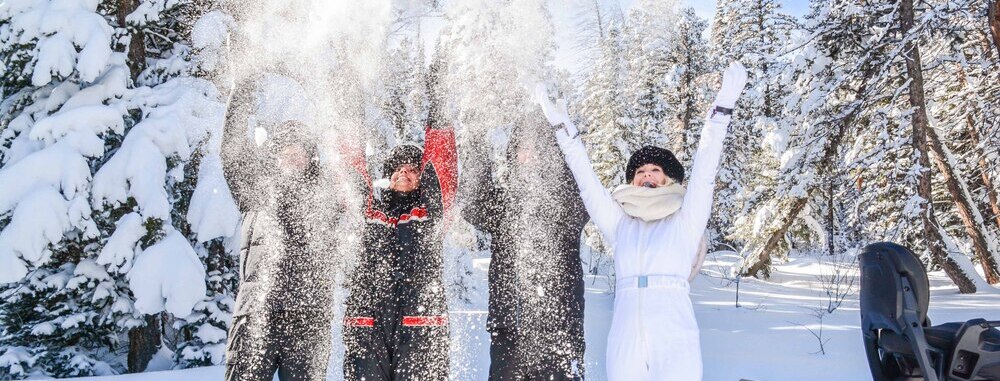
Base Layer: Stay Dry First
The base layer should fit close and wick moisture. Even if tubing feels low effort, you still sweat from walking, carrying tubes, and laughing your way up the hill.
Good base-layer picks:
- Merino wool or synthetic thermal top and bottom
- Athletic-style leggings or long underwear
- Materials that dry fast
Skip cotton. Once cotton gets damp, it holds moisture and you feel colder fast.
Mid Layer: Warmth Without Bulk
Your mid-layer is your insulation. It should trap heat but still breathe, since tubing usually includes short bursts of movement followed by sitting still.
Great mid layers include:
- Fleece pullovers
- Light puffy jackets (down or synthetic)
- A warm hoodie under a shell, if it stays dry
If you run cold, add a second light mid layer instead of one giant sweater. You’ll move better and stay more comfortable.
Outer Layer: Your Wind and Snow Shield
Your outer layer is what keeps snow from soaking through when you sit down, slide, or brush against snowbanks. Prioritize waterproofing and wind protection.
Look for:
- Waterproof snow pants
- A winter jacket that is insulated and water-resistant
- Breathable fabric so you do not feel clammy
If you are planning multiple winter activities in the same trip, the clothing approach is similar across the board. This is the same layering logic that shows up in Sage’s planning for other cold-weather adventures too, like in their guide to the best place to snowmobile in Colorado.
Snow Pants and Jackets: The Two Items That Save the Day
For snow tubing, the most important single item is usually your pants. You are repeatedly sitting on snow, so anything that absorbs water becomes a problem quickly.
Strong choices:
- Insulated, waterproof snow pants
- Bibs if you want extra coverage and fewer drafts
- A jacket with a secure zipper and a hood
If you upgrade only one tubing component, make it waterproof pants. They keep your comfort level stable the entire session.
Boots and Socks: Warm Feet are Non-Negotiable
Cold feet end snow tubing faster than almost anything. The best setup is insulated, waterproof boots plus wool socks.
Aim for:
- Waterproof snow boots with insulation
- Wool or thermal socks that wick moisture
- Enough room in the boot for circulation
Avoid sneakers, fashion boots, and thin socks. They get wet fast and do not insulate well. The CDC also flags waterproof, insulated boots and protecting extremities as key cold-weather basics.
Gloves, Mittens, and Hand Warmth
Hands are exposed to wind, snow spray, and constant contact with cold surfaces. If you tend to run cold, mittens usually feel warmer than gloves because your fingers share heat.
Bring:
- Waterproof insulated gloves or mittens
- Optional hand warmers for colder days
- A backup pair if you have them
A good trick is to keep the backup pair dry in a pocket or bag, then swap if your first pair gets damp.
Hat, Neck Coverage, and Eye Protection
Snow tubing often comes with wind, especially on open hills. Covering your head and neck makes the whole day feel warmer.
Helpful items:
- A snug beanie or fleece-lined hat
- A neck gaiter for wind and face warmth
- Sunglasses or goggles for glare and wind
The National Weather Service calls out dressing in layers and protecting exposed skin as core winter safety guidance, and that includes your face and ears when windchill kicks up.
Yes, Winter Sunscreen Matters
People skip sunscreen in winter, then wonder why they end the day with a surprise burn. Snow reflects light, and higher elevations can intensify UV exposure. The American Academy of Dermatology recommends broad-spectrum, water-resistant sunscreen with SPF 30 or higher on any skin not covered by clothing.
Quick basics:
- SPF 30+ on face and neck
- Lip balm with SPF
- Reapply if you are out for a while
A Simple Packing List That Covers Most Days
You do not need to overpack, but a few extras can keep the day comfortable if weather shifts.
Consider tossing these into a small bag:
- Extra socks
- Backup gloves
- Hand warmers
- Water and a small snack
- A dry layer for the ride home
If you like the idea of “show up prepared, then just enjoy it,” you’ll recognize the same planning mindset in Sage’s winter guides like The Ultimate Guide to Guided Snowmobile Tours.
What Not to Wear for Snow Tubing
A few clothing choices are almost guaranteed to make you cold or wet.
Avoid:
- Cotton jeans and sweatpants
- Sneakers or non-waterproof shoes
- Thin fashion gloves
- Long scarves that can flap or snag
- Anything too tight, which can reduce circulation in hands and feet
Cold-weather guidance also emphasizes that tight clothing can reduce blood flow to extremities, which is the last thing you want when temperatures drop.
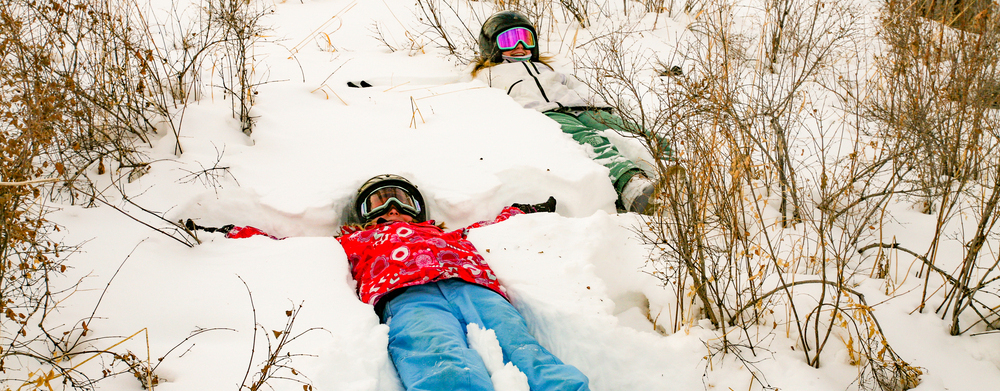
What to Wear for Snow Tubing with Kids
Kids do great tubing when they are warm and dry, but they usually need one more layer than adults, plus faster swaps when something gets wet.
A kid-friendly approach:
- Waterproof mittens, plus a spare pair
- One extra mid-layer in the bag
- Snow bibs if possible, they block drafts
- A warm hat that covers the ears
Plan for quick changes. Dry gloves and socks can completely reset a kid’s comfort level in minutes.
The Easiest Way to Get it Right
If you remember one thing about what to wear for snow tubing, make it waterproof outerwear paired with warm, breathable layers underneath. That combination is essential for managing the two primary realities of tubing.
First, you generate body heat and warm up while actively moving around and walking up the hill. Second, you cool down very quickly while sitting stationary and sliding down the slick, icy run. The outer layer shields you from snow and moisture, while the base and middle layers trap heat and wick away sweat, ensuring you stay comfortable and dry throughout your tubing session.

Nick Junker
General Manager
I’m dedicated to leveraging my skills and experiences to make a positive impact in the professional realm.
With a background in Sales and Outdoor Recreation, I’ve navigated through various roles where I’ve honed my expertise in Risk Management, Business Development and Financial Analysis. From Account Executive to General Manager, I’ve cultivated a deep understanding of client and employee relations, Human Resources, Project Management and overall business operations from generating sales to budgeting expenses and managing over 30 employees.
My mission is to create a great culture in any organization I am apart of, through creating efficient industry specific systems within the business that satisfies both employees and investors. Whether it’s through implementing new business systems or managing employee expectations, I’m committed to meeting the goals of the organization.
Known for my strong leadership and organizational skills, I excel in delegating tasks to keep projects and goals on task and on budget. I’m passionate about systems, always seeking innovative solutions to making the business run smoother and more efficiently. I believe in the power of collaboration and enjoy working with diverse individuals to build a strong team thats driven to accomplish the organizations goals.
