
RAFTING NEAR VAIL: HOW GUIDES HELP YOU CHOOSE THE RIGHT EAGLE RIVER TRIP
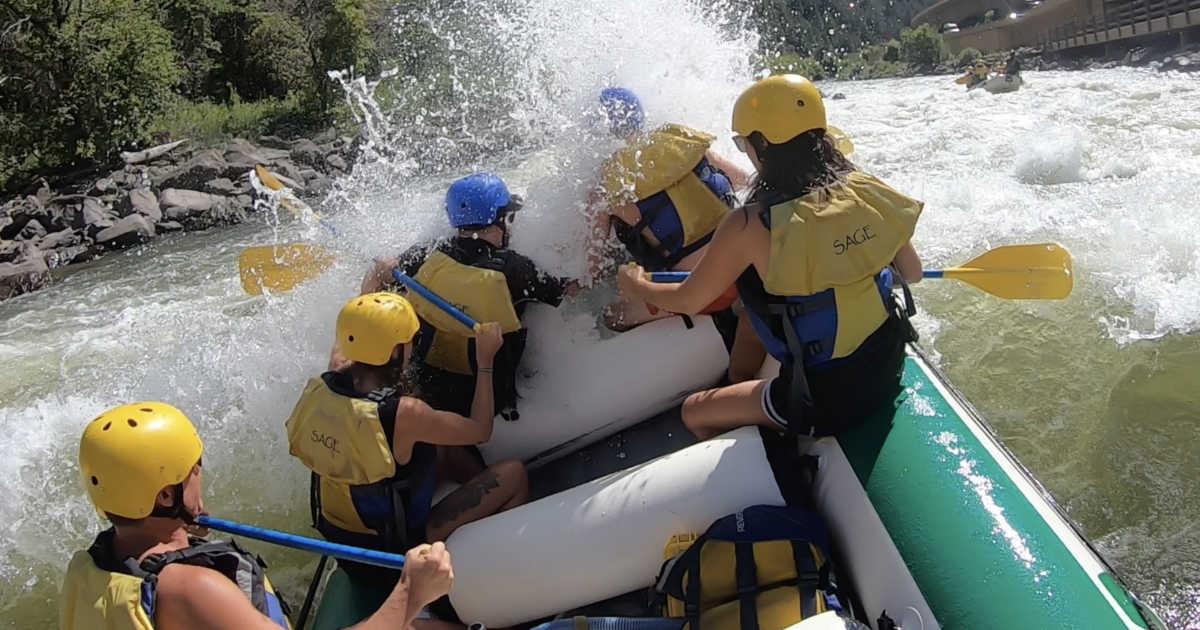
If you are researching rafting near Vail, you are probably trying to answer a few basic questions fast. How intense is it, what does “Class II” or “Class III” mean, and how do you avoid showing up unprepared.
In this guide, Sage Outdoor Adventures guide Anders breaks down what first-timers actually need to know about rafting near Vail on the Eagle River, using plain language and a few smart comparisons that make trip selection easier.
What Surprises First-Time Rafters Most On The Eagle River
Most travelers expect a long drive into the wilderness to find real whitewater. The Eagle River flips that assumption.
Anders says what surprises people most is “the proximity” and how quickly you go from resort town energy to a river corridor that feels quiet and scenic. He explains that sections of Class III and Class IV whitewater run right through the valley and are “really, really close to Beaver Creek, really close to Vail.”
That closeness matters if you are building a Vail itinerary. You can book a morning or afternoon trip and still have time for lunch in town, a gondola ride, or a relaxing evening back at your hotel.
Why The Eagle River Can Feel More Personal
Anders also points out that parts of the experience feel more private than people expect. He mentions Sage has a private access point for its Class III stretch, which can reduce the “crowded put-in” feeling that some first-timers worry about.
If you want a Vail rafting trip that feels focused on your group, ask about launch logistics and access points when you book.
For travelers comparing Eagle River rafting options, this is a helpful filter. You are not only choosing rapids. You are choosing the overall vibe of the day.
How Guides Explain Rapids And Difficulty In Plain Language
Most rafting companies talk in river classifications, but most guests do not. That is why Anders uses an analogy many Vail visitors already understand.
He equates rafting classes to ski trail ratings:
- “Class 2 is your green circle.”
- “Class 3 is kind of like your blue squares.”
- “Class 4 is definitely your black diamond.”
- Class 5, which Sage does not run, is like “double black diamond.”
That simple mapping makes Vail whitewater rafting easier to picture, especially if your group includes mixed comfort levels.
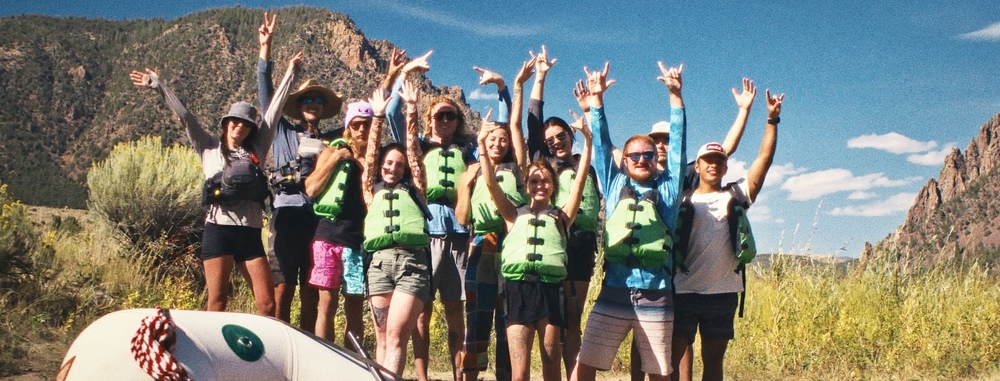
What Those Classes Feel Like On The Water
Here is the plain-language translation most first-timers are really asking for:
- Class II (Easy Going Introduction): You will feel ripples and small waves. It is a great “first-time experience,” and Anders calls it “really casual” and a strong intro for families and younger kids.
- Class III (Most Popular For First Timers): More splashes, more momentum, and more moments where you feel the boat react to the river. Anders says you get “the crazy awesome splashes,” but you still feel safe and have time to look around. It is not nonstop intensity.
- Class IV (Bigger Day, More Paddling): More technical moves, more consistent action, and a higher demand for teamwork. Anders describes it as “a bigger endeavor” with “a lot more paddling involved.”
If your group can handle blue ski runs comfortably, Class III rafting is often the sweet spot for a first Vail rafting trip.
If you want to track how conditions change with runoff, you can also check current flows using a USGS gauge for the Eagle River.
How Guides Help You Choose The Right Trip For Your Group
Choosing the right Eagle River experience is not only about bravery. It is about matching the day to your goals.
Anders explains that guiding starts before you ever touch the water. Your first “touchpoint” is often the reservation team, who can help sort out what your group wants, whether that is excitement, scenery, family-friendly pacing, or a calmer ride.
Then, on the boat, guides can fine-tune the experience based on where you sit.
Seating Strategy For Mixed Comfort Levels
Anders explains a simple approach:
- Put the strongest paddlers and excitement-seekers in the front, since “the front of the boat’s going to see the most splashes.”
- Move nervous guests back toward the guide, or place them in the center where the raft feels more stable.
This is one of the easiest ways guides balance a group where some people want a thrill and others want a more comfortable ride.
If someone in your group is unsure, tell your guide before launch. Good guides would rather adjust the plan early than have someone tense up mid-rapid.
The Most Common Planning Mistakes Before A Rafting Day
When a rafting day goes sideways, it is usually not because the rapids were too hard. It is because basic logistics got missed.
Anders says the most common issues fall into three buckets: timing, clothing, and expectations.
1) Timing Mistakes That Create Stress
Sage confirmations focus on check-in time, and Anders says arriving “5 or 10 minutes before that” makes a noticeable difference. He also points out a reality many guests do not realize.
Some stretches have permitted time windows for being on and off the water, and guides have to follow them. When people arrive late, it is not personal. “We physically can’t go at other times,” Anders explains.
What To Do Instead
- Complete waivers ahead of time when possible
- Aim to arrive early enough to breathe, not rush
- Plan extra time for parking and traffic if you are coming from Vail or Beaver Creek
2) Clothing Mistakes That Make People Uncomfortable
Anders says people sometimes forget a bathing suit or show up in clothes they do not want to get wet in. Sage provides gear like wetsuits in cold water season and core safety equipment, but guests still need a plan for base layers and after-trip comfort.
Packing List That Solves Most Problems
-
- Bathing suit or quick-dry athletic wear
- Warm, dry change of clothes for after
- Wool socks and comfortable shoe
- Towel
- A warm layer like a sweatshirt, and optionally a beanie
3) Expectation Mistakes With Kids And Snacks
This is an easy win for families. Anders notes that kids get hungry, and bringing the snack your child actually likes can smooth out the end of the day, especially if there is a short drive back to town.
What Guides Say To Nervous Guests Right Before Launch
If you feel nervous at the put-in, you are normal.
Anders says this is common because rafting is a first-time experience for many visitors. His starting point is reassurance grounded in reality, not hype.
He tells guests that “85% of our business is first-timers,” and that Class III is one of the most commonly rafted difficulty levels for commercial trips.
Then he explains why guides can handle the stretch professionally. Anders notes that guides go through a state certification process and that Sage adds “additional training on top of that.” In his words, on many days your guide is “close to being overqualified for the stretch that you’re on.”
Simple Confidence Builders That Actually Help
Here are the practical tactics he uses when someone is nervous:
- Ask what they are nervous about, then answer that specific fear
- Place kids in the middle of the boat, with parents on both sides like a “sandwich”
- Seat the nervous guest closer to the guide so they feel supported
He even uses direct reassurance, like “I’m right here for you. I got you.”
If your group includes children, ask your guide about seating. Small adjustments can change how safe and steady the raft feels.
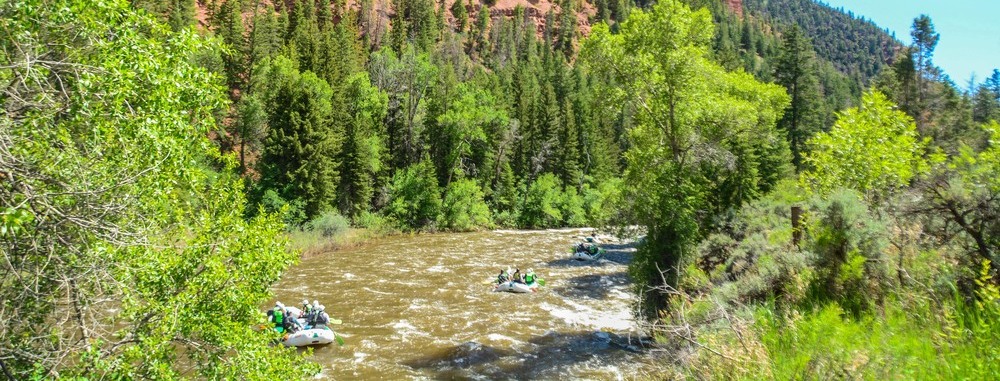
Bringing It All Together For A Better Vail Rafting Day
The best rafting near Vail experiences are not about proving something. They are about picking a trip that fits your group, showing up prepared, and letting guides do what they do best.
If you want an Eagle River option that is built for first-timers and travelers staying close to town, start with Vail Whitewater Trips, then use the ski-trail comparison to choose a class that feels right.
Finally, remember the simple stuff that protects the whole day: arrive early, dress to get wet, pack a warm change of clothes, and speak up if you are nervous. That is how first-timers turn rafting near Beaver Creek and Vail into a highlight, not a stressor.

Anders Dahlberg
Director of Operations
