
EAGLE RIVER VS COLORADO RIVER RAFTING: HOW TO CHOOSE THE RIGHT RAFTING DAY IN COLORADO
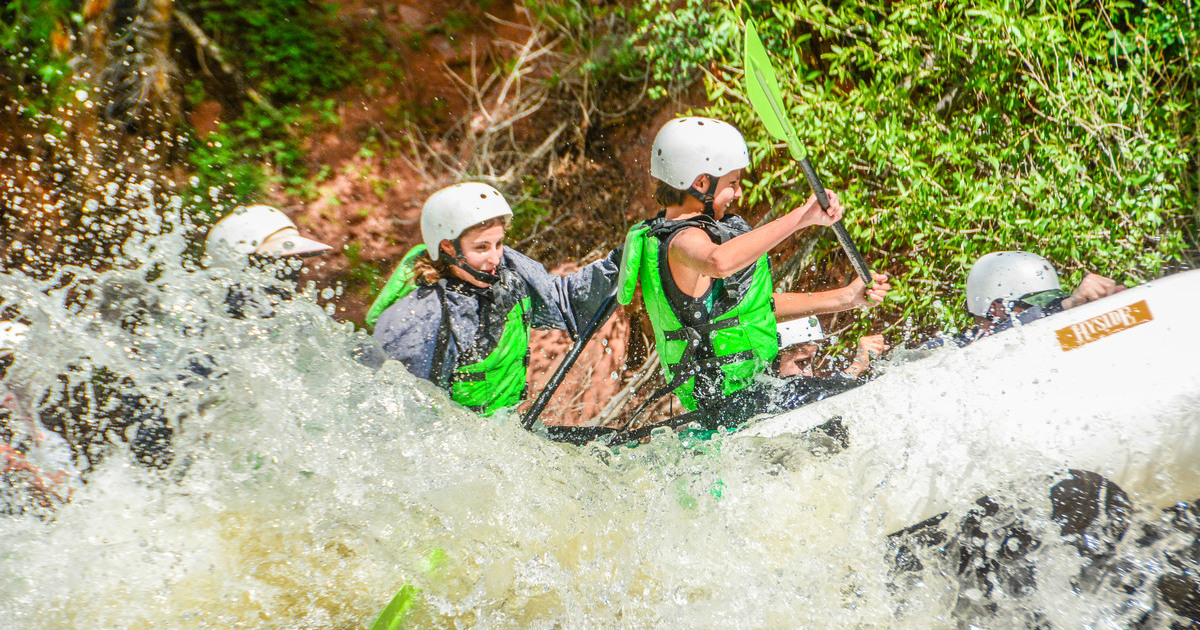
If your Vail trip only leaves room for one river day, choosing between the Eagle and the Colorado can feel like a gamble. Anders, a guide at Sage Outdoor Adventures, keeps it simple by focusing on timing, travel, and how the day feels. Eagle River vs. Colorado River rafting usually comes down to season windows, drive time, and the pace your group wants. He explains why the Eagle often matches earlier-season travel and why the Colorado through Glenwood Canyon can deliver a front-loaded, splashy start followed by a long, scenic float into Glenwood Springs.
What Surprises First-Time Rafters Most On The Eagle River
Many first-timers expect rafting to take over the whole day. Anders points out that the Eagle River can surprise people with how clean the logistics feel when you stay close to Vail and Beaver Creek. He frames it as a strong option for travelers who want time on the water and still want a flexible afternoon.
First-time surprises that come up often include
- How much does the day change when the river sits close to where you are staying
- How fast does the experience start once the crew finishes the safety talk and paddle practice
- How quickly a group can be back to hotels and dinner plans after take-out
- How a Class 3 day can feel exciting without prior rafting experience
- How much confidence comes from clear guide commands and a practiced routine
Anders ties the Eagle decision to the calendar. He says early season is “kind of when we run the Eagle River,” and he places that window as “generally May through hopefully mid-July.” That seasonal fit often surprises guests who assume every river runs the same all summer.
 Rapids And Rafting Difficulty In Plain Language
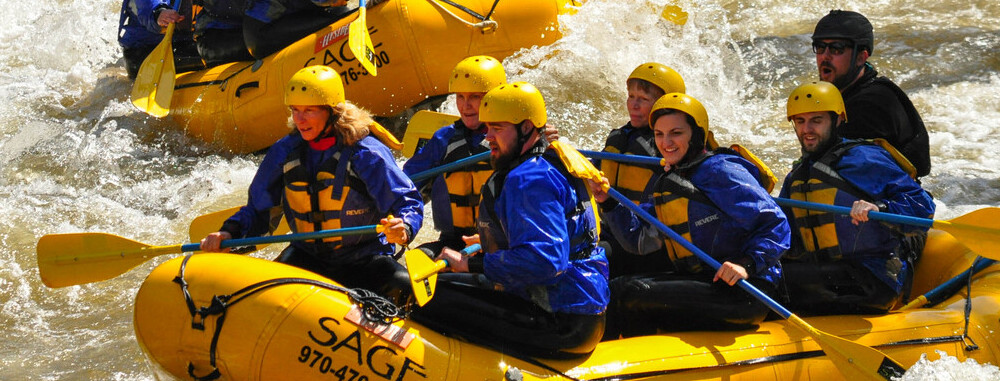
When someone has never been rafting, guide language matters. Anders starts with the rating, then describes pacing and feel. For Glenwood Canyon, he says, “This is a Class 3 stretch… kind of right in the middle as far as rafting goes,” and he adds a key detail, “The stretch is… front-loaded.” That means the splashiest sequence arrives near the beginning rather than being spaced out.
Plain-language ways to picture Class 3 and front-loaded pacing include
- Class 3 sits in the middle; it feels splashy and active, not extreme
- Front-loaded means you hit the biggest waves early, then the river settles
- Practice happens before the rapids, so the group learns commands first
- The raft responds to teamwork, so everyone paddles with the same timing
- The second half often feels scenic and relaxed, even after a big start
Anders describes the start of the Colorado River day with specific images. He notes “about seven rapids you go through in total,” then explains that after “paddle talk” and “practice time in the ready-eddy,” “we hop into the rapids” and they come “one right after another.” He also describes the shift after the rapids, you are “floating all the way down to Glenwood Springs.”
 What A Smooth Well Run Trip Day Looks Like From Check In To Take Out
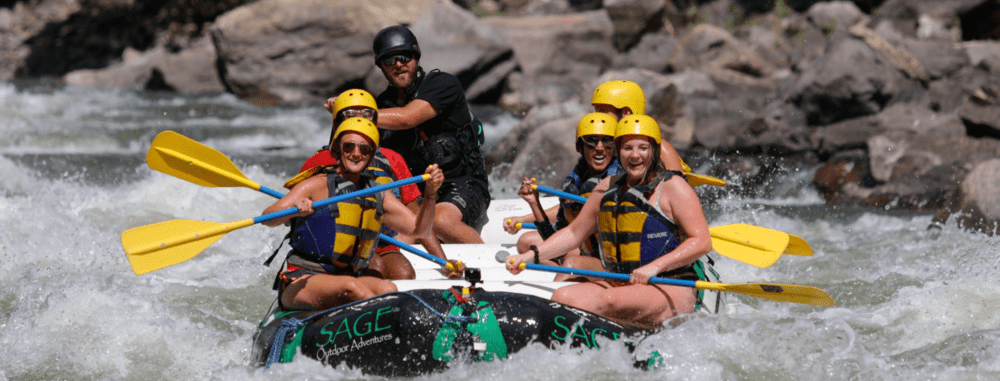
A good rafting day feels calm before it feels exciting. Anders describes a consistent flow that keeps groups moving without rushing. He starts at arrival, guests check in, confirm waivers, and use restrooms before the shuttle. Then the team fits gear, runs the safety talk, and teaches paddle commands before anyone hits the current.
A smooth day usually includes
- Check in first, waivers confirmed, then restrooms before gearing up
- Gear fitting under staff direction, PFDs, helmets, and weather layers if needed
- A safety talk that answers common questions before the shuttle ride
- Paddle instruction on land, then short practice on the water in a calm eddy
- Clear take-out routines, gear collected, then a ride back to the boathouse
Anders describes the coaching step by step. He says the trip leader runs an orientation to “go over safety material,” then the group gets “a brief… paddle instruction.” At the river, guides explain commands like “forward two,” and how that differs from “left back, right back.” On the water, practice happens in the “ready-eddy” so guests can “actually feel what it’s like to paddle,” then “we hop right into it.”
If You Only Have One Rafting Day On A Vail Trip
Eagle River vs Colorado River rafting becomes a clear decision when you start with two factors Anders uses: time of year and time budget. He says, “Two factors, one of them being… the time of year,” then adds, “as far as distance.” In his words, the Eagle window is earlier, and the Colorado through Glenwood Canyon is “generally end of June or early July through September.”
Use these decision checks when you choose
- Season fit, Eagle often lines up with May to mid-July travel
- Later summer fit, Colorado often lines up with July through September plans
- Drive time, Eagle stays closer to Vail and Beaver Creek
- Day length, Colorado often adds more drive time for a full experience
- What you want after, Glenwood Springs offers hot springs, shops, and restaurants
Anders explains the proximity piece in plain terms. Eagle River sits closer to Vail and Beaver Creek for travelers who are time-sensitive. He says it works when guests want to be “on and off the water quickly and back to their hotel.” For the Colorado option, he says Glenwood Canyon runs farther, “about a 40-minute drive from Vail,” and “35 minutes respectively at Beaver Creek.” He frames that as “a bit longer of a day” when you include driving.
He also explains why some guests still choose the Colorado even with the longer drive. Glenwood Springs has “hot springs, shopping, and restaurants,” and the trip finishes in town, so some travelers build the rafting day into a full Glenwood day.
The Best One-Day Pick
Choosing your rafting adventure between the Eagle River and the Colorado River hinges on your trip timing and preferred experience. The Eagle River is typically a better option for trips scheduled earlier in the season or for those with tight schedules, offering a quicker-paced excursion.
Conversely, the Colorado River is frequently the superior choice for later-season visitors. It provides an exhilarating opening segment of rapids to get the adrenaline pumping, followed by a long, peaceful, and visually stunning scenic float. This relaxed section gently delivers rafters directly into the picturesque heart of Glenwood Springs, making it ideal for a leisurely day on the water.

Anders Dahlberg
Director of Operations
